

Great Maestros & Musicologists of Hindustani Classical Music (महान संगीतज्ञ एवं शास्त्रकार)
Understanding the lives and contributions of legendary performers and musicologists (Shastrakars) is an essential part of Prarambhik and Praveshika theory examinations. Below are the concise, verified biographies of four foundational figures of Hindustani classical music.
1. Pandit Vishnu Narayan Bhatkhande (1860 – 1936)
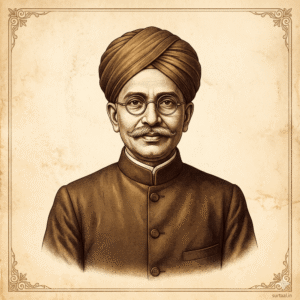
- Birth: Born on August 10, 1860, in Walkeshwar, Mumbai (Maharashtra).
-
Key Contributions:
-
Organized and classified scattered Hindustani classical ragas into the scientific 10-Thaat System (Bilawal, Kalyan, Khamaj, Bhairav, Poorvi, Marwa, Kafi, Asavari, Bhairavi, and Todi).
-
Invented the standardized Bhatkhande Notation System (Swarlipi Paddhati) still taught across India today.
-
Authored the monumental 6-volume treatise Hindustani Sangeet Paddhati Kramik Pustak Malika, documenting hundreds of traditional bandishes.
-
Founded premier music institutions, including the Marris College of Music (now Bhatkhande Sanskriti Vishwavidyalaya) in Lucknow.
-
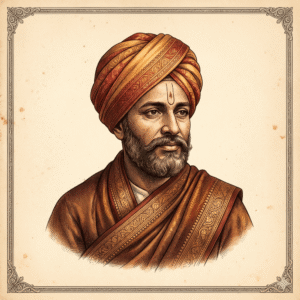
2. Pandit Vishnu Digambar Paluskar (1872 – 1931)
-
Birth: Born on August 18, 1872, in Kurundwad, Maharashtra.
-
Key Contributions:
-
Restored social dignity to Indian classical music and brought it out of royal courts to the general public.
-
Founded the first Gandharva Mahavidyalaya in Lahore in 1901, establishing a structured syllabus and examination system that evolved into Akhil Bharatiya Gandharva Mahavidyalaya Mandal (ABGMVM).
-
Developed the Paluskar Notation System and popularized devotional music (Bhajans), famously setting “Raghupati Raghav Raja Ram” to its widely sung melody.
-
Trained renowned disciples including Pandit Omkarnath Thakur, Pandit Vinayakrao Patwardhan, and Pandit Narayanrao Vyas.
-
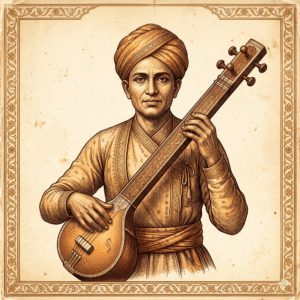
3. Sangeet Samrat Tansen (c. 1500 – 1586)
-
Birth & Guru: Born as Ramtanu Pandey in Behat (near Gwalior); trained under the saint-musician Swami Haridas in Vrindavan and later associated with Raja Man Singh Tomar’s court and Muhammad Ghaus.
-
Key Contributions:
-
Celebrated as one of the Navaratnas (Nine Gems) in the court of Mughal Emperor Akbar, who honored him with the title “Mian”.
-
Master of the Dhrupad style and founder of the Seniya Gharana tradition.
-
Created timeless ragas including Mian ki Todi, Mian ki Malhar, Mian ki Sarang, and Darbari Kanada.
-
Authored theoretical works on music such as Sangeet Saar and Ragamala.
-
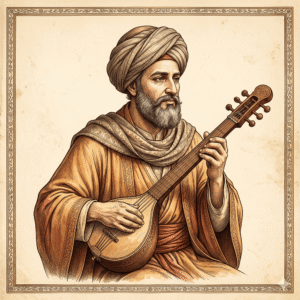
4. Amir Khusrau (1253 – 1325)
-
Birth & Guru: Born in Patiali (Etah district, Uttar Pradesh); devoted disciple of the Sufi saint Hazrat Nizamuddin Auliya in Delhi.
-
Key Contributions:
-
Pioneered the Khayal vocal style alongside Tarana and Qawwali, blending Indian classical traditions with Persian musical elements.
-
Credited in musical tradition with innovating the Sitar (by modifying the traditional Tritantri Veena) and the Tabla (by dividing the two-headed Pakhawaj into two separate drums).
-
Created new ragas and talas, including Yaman Kalyan, Zilaf, Sarparda, and Sazgiri, earning the honorific title Tuti-e-Hind (Parrot of India).
-